At 7:15 am, Rizwana Makda gently kisses her four-month-old daughter goodbye before taking a motorbike to work as a teacher at a private primary school in Blantyre City.
As she fixes her helmet, she feels guilt for her baby.
“She needs me, but I have to provide for her,” she says. “Leaving the child at home is one of the hardest parts of returning to work after breastfeeding.”
Makda leaves the infant with a nanny.
Every morning, she has to chooses between being a good mother or a responsible employee.
Similarly, Manje Township resident Elizabeth Nkhoma, who sells cassava in Limbe Market, has to make a hard choice between earning an income and exclusively breastfeeding her baby.
With no paid maternity leave, no designated breastfeeding space and no flexible working hours, she returned to work just weeks after giving birth, leaving her baby in the care of relatives for long hours.
“If I don’t sell, my family will starve,” says Nkhoma. “I started giving my baby porridge before the mandatory six months of exclusive breastfeeding because I had no choice.”
This is an everyday reality for many mothers in the world of work and business.
Babies miss out
Health experts recommend exclusive breastfeeding for the first six months of a child’s life, a tricky compromise between earning a livelihood and giving babies a healthy start in life.
Lilongwe-based nutritionist Annie Walumbe Bwanausi says returning to work too soon is one of the biggest barriers to exclusive breastfeeding for mothers working in the formal sector where maternity protection is often unavailable.
She observes that lack of flexible working hours, breastfeeding breaks or safe spaces to express and store breast milk forces many mothers to hastily introduce foods and liquids that harm a babies’ health.
“Most mothers want to breastfeed, but many workplaces do not provide the support they need to continue breastfeeding after returning to work. When mothers are unable to breastfeed because of work-related challenges, babies miss out on essential nutrients and antibodies that protect them from illness,” says Bwanausi.
The healthcare worker says supporting breastfeeding is a health and socioeconomic investment.
“When mothers are supported to continue breastfeeding, we see healthier children, fewer illnesses and reduced healthcare costs for families and the country,” she states.
Deputy Minister of Health and Sanitation Charles Chilambula says exclusive breastfeeding for the first six months gives children quality early childhood development.
However, the Malawi Demographic and Health Survey shows only 60 percent enjoyed exclusive breastfeeding last year.
More needs to be done to ensure every child gets a healthy start in life, says World Health Organization (WHO) representative Charles Njuguna.
WHO-certified studies show breastfeeding boosts a child’s survival, growth and body defence against deadly diseases, including diarrheoa and pneumonia.
It also strengthens the bond between babies and mothers.
Yet offices, factories, schools, hospitals and markets not designed with breastfeeding in mind keep denying children these health benefits.
Some mothers spend at least eight hours away from their babies.
For some, maternity leave is unavailable—a gap that forces mothers to start giving babies water, porridge and infant formula too quick.
“When mothers stop breastfeeding earlier than planned, it is often not because they do not understand its importance, many simply lack the support needed to continue,” says Chikwawa District Health Office safe motherhood coordinator Nelson Sekani.
Flexible workspaces
Flexible working arrangements and breastfeeding-friendly workplaces remain uncommon in Malawi.
“When my breasts become heavy and painful, full of milk, I lock myself in the toilet to express milk, but there is nowhere clean to keep it,” says Makda.
As the workday ends, Rizwana cannot wait for the motorcycle to take her home, where her baby eagerly reaches out for a long-awaited share of breast milk.
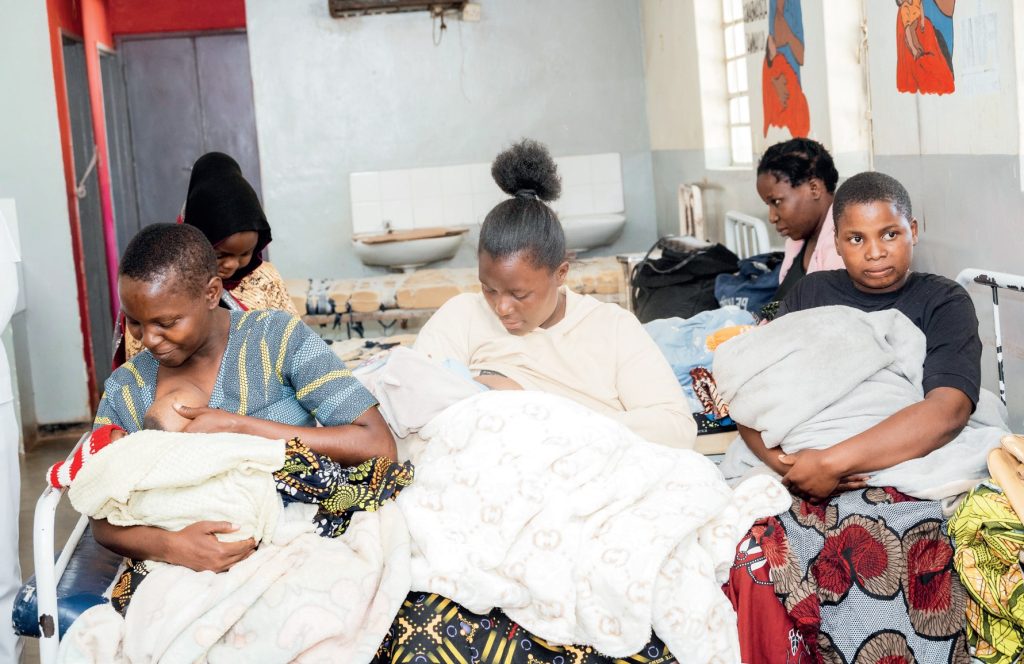
Makda holds the newborn close to her chest and breastfeeds her in silence, trying to make up for the lost hours.
The on-off cycle repeats itself from Monday to Friday, highlighting a disparity between healthy tips and workplace policies.